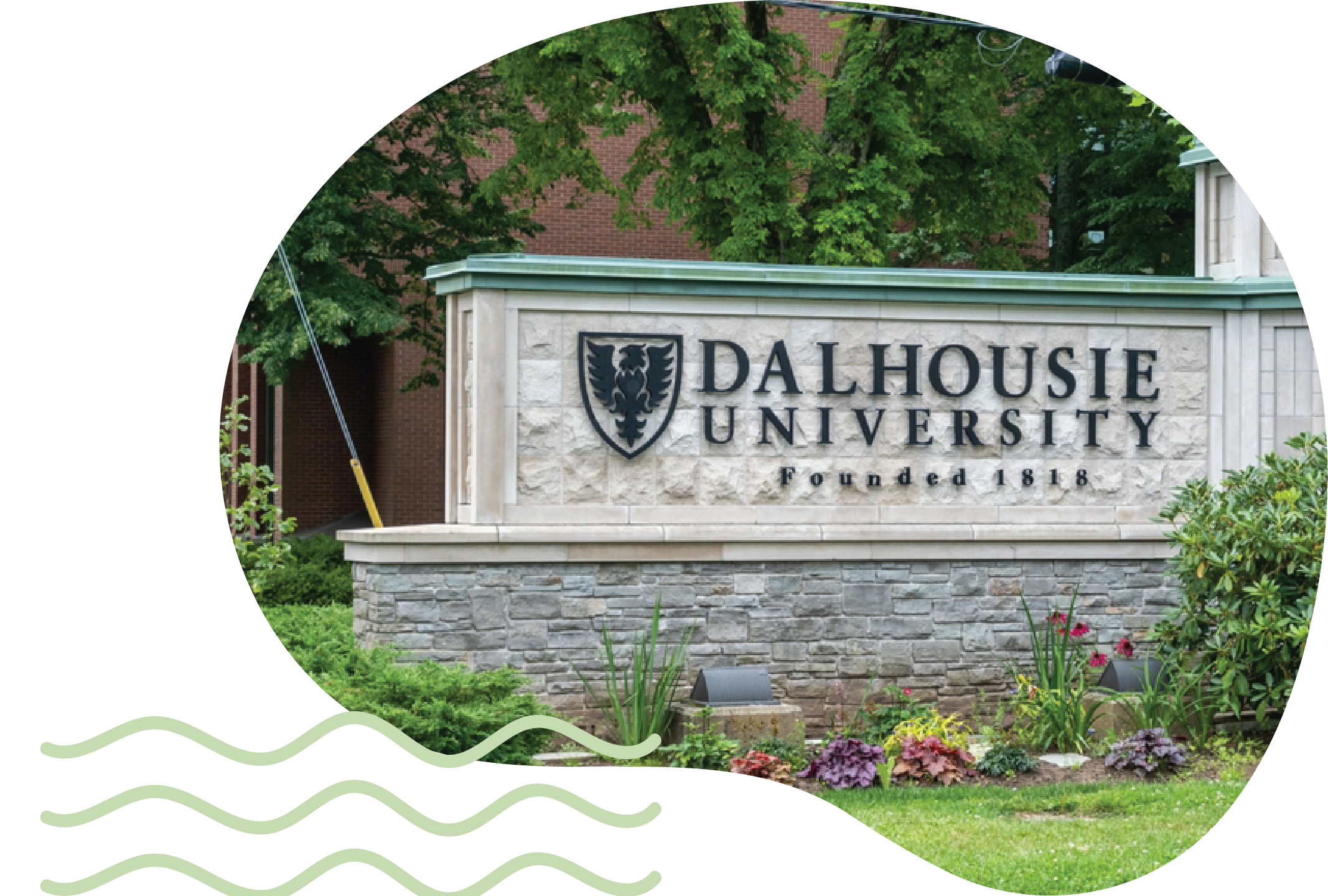
Tideline youth mental health research is based at Dalhousie University in Nova Scotia. Our research focuses on youth mental health systems and the broader social, structural, and everyday contexts that shape young people’s access to mental health supports.
Our Focus

A tideline is the ever-changing boundary where ocean meets shore - a reminder that youth mental health is continuously shaped by interactions, experiences, and the world young people live in.
We work across different areas of science on collaborative research with youth, caregivers, clinicians, community partners, and research networks across Nova Scotia and beyond.
Tideline is committed to equity-centred research that acknowledges the systems and structures affecting young people's mental health, and we value the expertise that comes from lived experience and incorporate it throughout the research process. We work across qualitative, quantitative, mixed-methods, arts-based, and participatory research methods. By combining approaches, we aim to build a more complete understanding of young people’s experiences, alongside patterns within mental health systems.
Our Approach to
Research

Collaboration
We approach research as a shared process, one that values partnership, curiosity, and practical impact. Each project is built on connections with young people, families, service providers, communities, and researchers in different areas of science across the globe.
Acknowledgements
This section acknowledges the land we live and work on, while recognizing the histories, communities, and experiences that have shaped this place.
-
Tideline's work is grounded on the unceded territory of the Mi'kmaw, Wolastoqey, and Peskotomuhkati Peoples. These sovereign nations hold inherent rights as the original peoples of these lands, and we each carry collective obligations under the Peace and Friendship Treaties. Section 35 of the Constitution Act, 1982 recognizes and affirms Aboriginal and Treaty rights in Canada. We recognize these nations' inherent rights as the original peoples of these lands, and we carry our own obligations under the Peace and Friendship Treaties as we do research with young people and communities here. We're committed to holding this responsibility with care throughout our work.
-
We also recognize African Nova Scotians as a distinct people whose histories, legacies, and contributions have shaped this part of Mi'kma'ki for over 400 years. As a research hub working alongside youth and communities across Nova Scotia, we carry an ongoing responsibility to that history in how we do our work.